TL;DR
Intercom works for messaging and support, but many teams move away due to rising costs, complex setup, and limits as they scale.
YourGPT for AI-first automation that can handle real tasks across support, sales, and operations, while Zendesk for enterprise-grade ticketing and workflow management.
The right choice depends on your goal use AI-first platforms for automation and efficiency, or traditional helpdesks for structured ticketing and compliance.
Intercom is a well-established platform for customer support messaging, and AI-driven engagement. However, as teams scale, many start evaluating alternatives due to rising costs, complex implementation, and limited flexibility around advanced AI workflows.
For growing businesses, the focus often shifts toward platforms that offer predictable pricing, easier setup, and stronger alignment with modern AI support. Teams also look for solutions that can handle conversations across channels without added operational overhead.
As a result, more companies are actively comparing Intercom alternatives to find the right balance between affordability, usability, multichannel support, and long-term scalability.
This blog reviews 15 Intercom alternatives in 2026, evaluating each platform based on pricing transparency, AI capabilities, setup complexity, and the type of business it fits best. Whether your priority is cost efficiency, enterprise-grade workflows, or AI-first automation, this comparison is designed to help you make a faster and more confident decision.
Quick Compare: Best Intercom Alternatives by Use Case (2026)
For modern customer support, teams prioritise predictable pricing, faster setup, multichannel coverage, and AI that can go beyond replies and complete real tasks.
| Use Case | Best Pick | Why It Fits | Watch-outs |
|---|---|---|---|
| Modern AI-first support automation | YourGPT | AI agents that perform real actions with no-code workflows and multichannel automation | Needs structured knowledge for best results |
| Enterprise ticketing and compliance | Zendesk | Mature ticketing system with deep workflows and enterprise scalability | Expensive and complex at scale |
| Enterprise conversational AI | Yellow.ai | Advanced NLU, orchestration, and multilingual automation | Heavy for smaller teams |
| No-code AI customer support | Ada | Easy-to-build AI bots for scalable customer service | Less strong for sales workflows |
| Affordable helpdesk automation | Freshdesk | Cost-effective ticketing with AI-assisted workflows | Limited AI depth |
| Ecommerce support automation | Gorgias | Strong Shopify and ecommerce integrations | Limited outside ecommerce |
| Sales and conversational marketing | Drift | Lead generation and pipeline-focused chat automation | Not ideal for support-heavy teams |
| Budget chat + email automation | HelpCrunch | Affordable all-in-one communication tools for SMBs | Limited enterprise scalability |
| Simple team collaboration support | Help Scout | Shared inbox with simple workflows and knowledge base | Limited AI automation |
| Budget ticketing with ecosystem | Zoho Desk | Affordable support platform with strong Zoho integrations | Works best within Zoho ecosystem |
Tip: Start with YourGPT if you want AI that resolves tasks across channels. Use tools like Zendesk or Zoho Desk for structured ticketing, or niche tools based on your specific use case.
Reasons Businesses Explore Intercom Alternatives
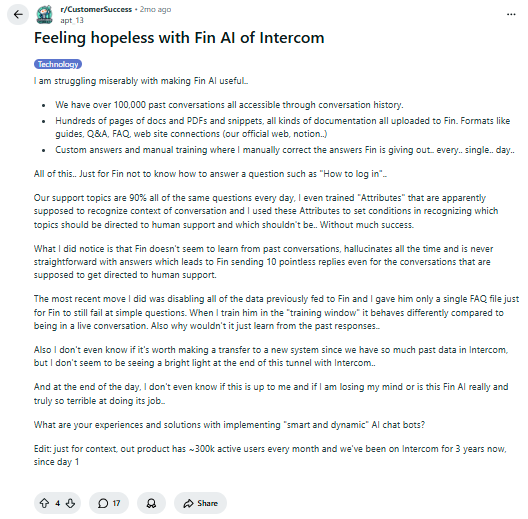
Intercom faces several limitations that lead businesses to consider alternatives, we have listed some issue on intercom based on publicly available information and users experience:
1. High Costs at Scale
Intercom can become expensive as businesses scale, especially affecting smaller teams that need predictable pricing.
2. Complex Setup and Maintenance
Setting up Intercom effectively may require significant technical expertise, developer resources, or ongoing management, which smaller teams might find demanding.
3. Limited AI Customisation
Intercom includes AI capabilities, but some businesses seek alternatives that offer greater customisation, self-learning capabilities, or simplified no-code AI agent builders.
4. Integration Gaps
Businesses reliant on niche tools or specialised software often encounter integration limitations with Intercom, leading them to platforms with broader compatibility.
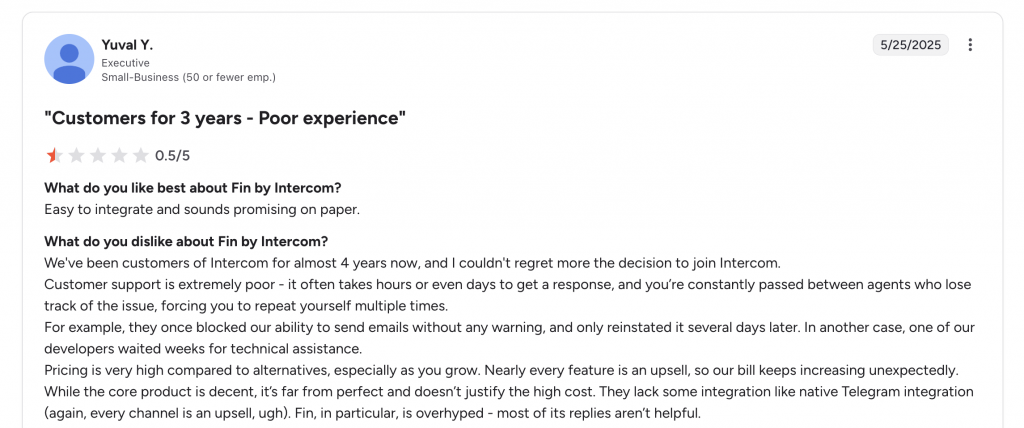
5. Support Responsiveness Concerns
Some users have raised concerns about the responsiveness and helpfulness of Intercom’s customer support, impacting the timely resolution of issues.
Quick Glance
| Rank | Platform | Best For | Quick Take |
|---|---|---|---|
| 1 | YourGPT | AI-first support, sales, and ops automation | Best for teams that want no-code AI agents, multichannel support, and action-based automation. |
| 2 | Zendesk | Enterprise ticketing and compliance | Strong choice for large teams that need structured workflows, reporting, and mature support operations. |
| 3 | Yellow.ai | Enterprise conversational AI | Built for complex customer journeys across chat and voice with enterprise integrations. |
| 4 | Ada | No-code AI customer service | Good fit for support teams that want to automate FAQs and scale self-service. |
| 5 | Freshdesk | Affordable helpdesk automation | Popular with SMBs and mid-sized teams looking for ticketing, workflows, and Freddy AI. |
| 6 | Gorgias | Ecommerce support automation | Best for Shopify and ecommerce brands handling orders, refunds, and store-linked support. |
| 7 | Drift | Conversational marketing and sales | Useful for B2B teams that want lead qualification, chat engagement, and meeting booking. |
Top 15 Intercom Alternatives Compared by Use Case
To simplify your decision, we’ve compiled a detailed review of the 15 best Intercom alternatives for 2026. Each summary covers the essential factors: features, pricing, and the type of business it serves best.
1. YourGPT

YourGPT is an AI-first platform for customer support, sales, and operations that enables businesses to build and deploy conversational AI agents without coding. It is designed to go beyond basic chat by automating real workflows, helping teams resolve tasks faster and reduce manual effort across channels.
It works across websites, WhatsApp, Slack, Messenger, Instagram, LINE, email, and voice, bringing all customer interactions into one unified system. With strong AI capabilities and no-code control, businesses can handle support, capture leads, and automate operations from a single platform.
Features:
- No-Code Builder: Create AI agents from documents, FAQs, or links using a drag-and-drop interface.
- Flow-Guided Automation: Design structured workflows with AI Studio for reliable task execution.
- Multilingual Support: Communicate with users in 100+ languages globally.
- Omnichannel Integration: Deploy across WhatsApp, Messenger, Instagram, LINE, Slack, Telegram, web, and more.
- Voice Agents: AI-powered voice support for handling inbound and outbound conversations.
- Phone Campaigns: Run automated outbound call campaigns for lead engagement, follow-ups, and support workflows.
- AI-Powered Actions: Automate tasks like order updates, refunds, CRM updates, and lead capture directly in conversations.
- Lead Generation: Built-in forms and qualification flows to capture and convert leads.
- AI Helpdesk Integration: Combine self-service automation with seamless human handoff when needed.
- Seamless Integrations: Connect with CRM, eCommerce, and support tools for unified workflows.
Limitations:
- Limited Trial Access: The free trial includes core functionality but does not provide access to some of the more advanced features, which are available in paid plans.
Best For:
- Support Teams: Scaling service without hiring.
- Operations & IT: Automating internal workflows.
- Agencies: Managing multiple client chatbots flexibly.
2. Zendesk
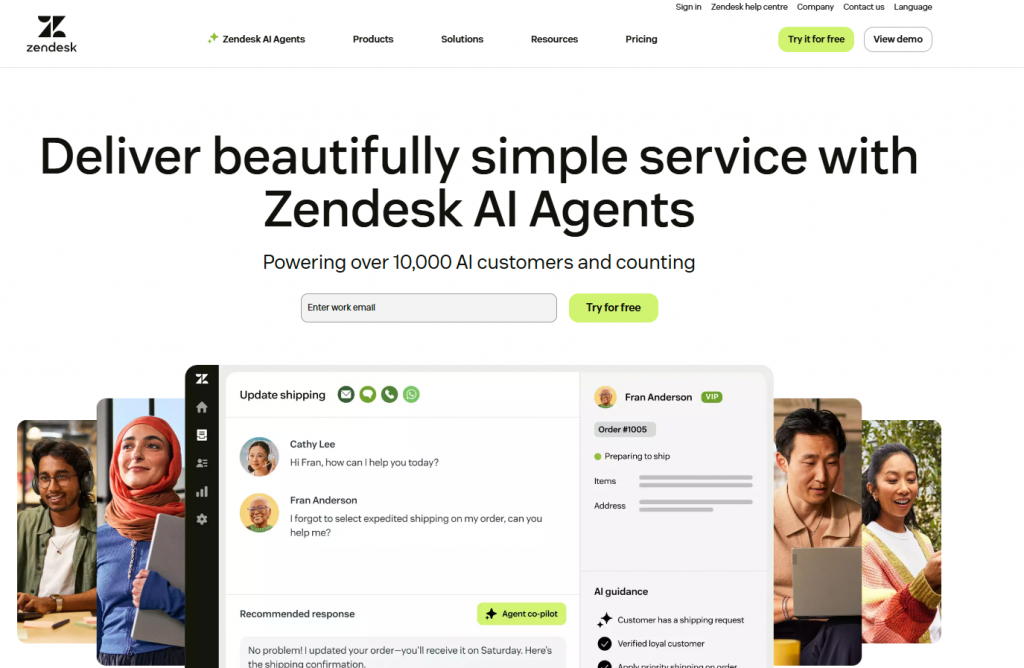
Zendesk is an enterprise-grade customer support platform designed for large-scale operations that rely on structured ticketing and workflow management. It is widely used by global teams to handle high-volume customer interactions with consistency and control.
It focuses on organizing support through tickets, automation rules, and reporting, making it suitable for teams that need compliance, process standardization, and deep operational visibility. While it includes AI features, its core strength remains in managing complex support systems rather than AI-first automation.
Features:
- Robust Ticketing: Manage complex support workflows with advanced ticket routing and prioritization.
- Omnichannel Support: Handle conversations across email, chat, social media, and phone in one system.
- Automation & Workflows: Use triggers, macros, and rules to automate repetitive tasks and improve efficiency.
- Extensive Integrations: Connect with thousands of third-party apps including CRM, analytics, and business tools.
- Advanced Analytics: Detailed dashboards and reporting for tracking performance and support metrics.
- Knowledge Base & Self-Service: Build help centers and FAQs to reduce support load.
- Enterprise Security & Compliance: Supports enterprise-grade security, permissions, and compliance requirements.
Limitations:
- High Cost at Scale: Pricing grows quickly with usage and seats.
Best For:
- Enterprises: High-volume customer support.
- Large Teams: Coordinating across multiple channels.
- Global Businesses: Needing enterprise compliance.
3. Yellow.ai

Yellow.ai is an enterprise conversational AI platform designed to automate customer interactions across chat and voice channels. It focuses on handling complex customer journeys using advanced natural language understanding and workflow orchestration.
It is built for large organizations that need scalable automation across departments like customer support, HR, and IT. With strong AI capabilities and enterprise integrations, Yellow.ai helps businesses manage high-volume conversations while maintaining consistency and control.
Features:
- Omnichannel Bots: Deploy AI assistants across chat, voice, messaging apps, and web.
- Advanced NLU: Understand user intent and context for more natural, human-like conversations.
- Bot Orchestration: Manage multi-step workflows and complex customer journeys.
- Voice AI Automation: Handle inbound and outbound calls with AI-powered voice agents.
- Enterprise Integrations: Connect with CRM, ERP, HRMS, and other enterprise systems.
- Analytics & Reporting: Track engagement, performance, and automation outcomes.
- Scalable Infrastructure: Designed to support high-volume enterprise use cases across regions.
Limitations:
- Enterprise-Focused: May feel heavy for SMBs.
Best For:
- Large Enterprises: Scaling across regions.
- Global Brands: Offering multilingual support.
- Complex Operations: Handling IT, HR, and customer journeys.
4. Ada

Ada is an AI-first automation platform built for customer service teams that want to scale support without increasing headcount. It enables businesses to create no-code chatbots that deliver personalised, consistent interactions across digital channels.
It is widely used by support teams to automate FAQs, reduce ticket volume, and improve response times. With a focus on simplicity and usability, Ada allows non-technical teams to manage and optimize customer interactions while maintaining control over the experience.
Features:
- No-Code Builder: Create and manage chatbots easily without requiring technical expertise.
- Personalisation with AI: Deliver tailored responses based on customer context and behavior.
- Omnichannel Support: Deploy across web, mobile, and messaging platforms.
- Automated Support Flows: Handle common queries, routing, and issue resolution workflows.
- Integrations: Connect with CRM systems and customer support tools.
- AI Analytics: Track performance, engagement, and resolution rates.
- Knowledge Base Integration: Use existing help content to power automated responses.
Limitations:
- Limited Depth for Sales: Primarily focused on support use cases.
Best For:
- Support Teams: Automating FAQs and ticket deflection.
- Ecommerce: Engaging customers at scale.
- Digital-First Brands: Prioritising AI-led self-service.
5. Freshdesk
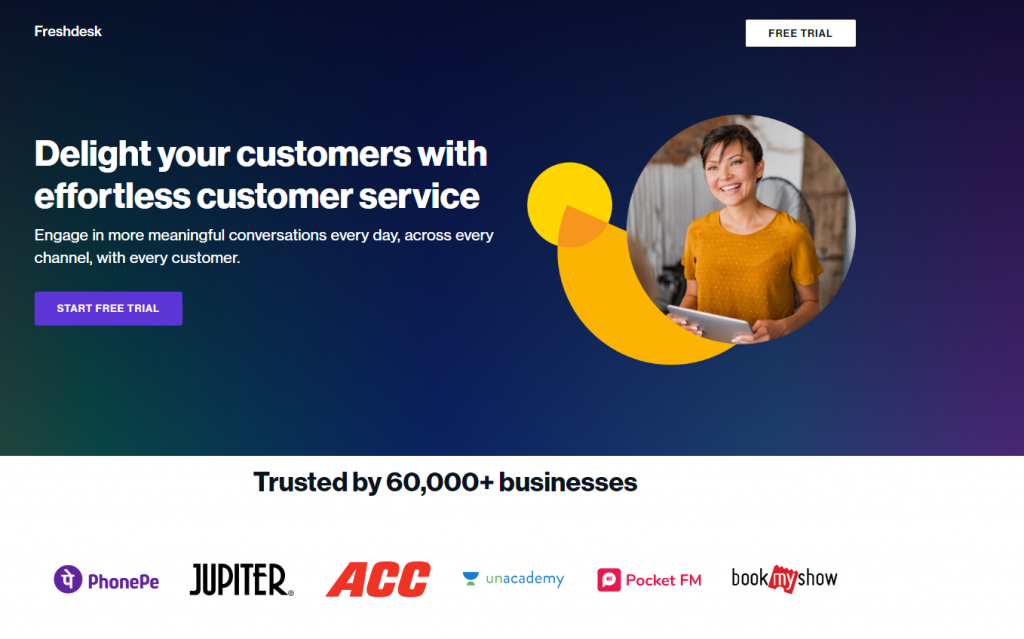
It is widely used by SMBs and mid-sized teams looking for a balance between cost and functionality. With built-in automation and an easy-to-use interface, Freshdesk helps reduce repetitive tasks, improve response times, and streamline support operations without complex setup.
Features:
- Freddy AI: Automate ticket classification, suggest responses, and assist agents with AI-powered insights.
- Robust Ticketing System: Manage, prioritize, and route customer queries with structured workflows.
- Knowledge Base: Create self-service portals and FAQs to reduce support load.
- Omnichannel Support: Handle conversations across email, chat, social media, and more.
- Workflow Automation: Automate escalations, follow-ups, and repetitive support tasks.
- Collaboration Tools: Internal notes, team discussions, and shared ticket management.
- Reporting & Analytics: Track performance, response times, and team productivity.
Limitations:
- Enterprise Limitations: May lack advanced depth for global enterprises.
Best For:
- SMBs: Affordable automation.
- Growing Companies: Quick adoption.
- Mid-Market Teams: Scaling support without complexity.
6. Gorgias

Gorgias is a customer support platform built specifically for eCommerce brands that need tight integration with their store data. It connects directly with platforms like Shopify and WooCommerce, allowing support teams to manage orders, refunds, and customer queries from one place.
It is widely used by online stores that want to automate repetitive support tasks and improve response times. With its eCommerce-first approach, Gorgias helps teams handle high volumes of order-related queries while maintaining a smooth customer experience..
Features:
- Ecommerce Integrations: Deep integration with Shopify, WooCommerce, Magento, and other store platforms.
- Macros & Automation: Automate common queries, responses, and repetitive support tasks.
- Live Chat: Website chat widget for real-time customer interaction.
- Multichannel Support: Manage conversations across email, social media, chat, and messaging apps.
- Order Management Actions: Perform actions like refunds, cancellations, and order updates directly from the support dashboard.
- Customer Data Sync: Access order history, shipping details, and customer data alongside conversations.
- Analytics & Reporting: Track support performance and eCommerce-specific metrics.
Limitations:
- Retail-Centric: Not ideal outside ecommerce.
Best For:
- DTC Companies: Scaling with Shopify.
- Online Stores: Deep ecommerce automation.
- Retail Brands: Automating refunds and orders.
7. Drift

Drift is a conversational marketing and sales platform designed to help businesses convert website visitors into qualified leads. It focuses on real-time engagement through chat, enabling sales teams to capture, qualify, and route leads without delays.
It is widely used by B2B teams that prioritize pipeline growth and faster deal cycles. With strong CRM integrations and automation capabilities, Drift helps teams streamline lead qualification, improve conversion rates, and align marketing with sales efforts.
Features:
- Lead Bots: Capture, qualify, and route leads automatically based on predefined criteria.
- Conversational Pages: Replace traditional landing pages with chat-driven experiences.
- CRM & Pipeline Integration: Sync leads and conversations directly with sales tools like Salesforce and HubSpot.
- Account-Based Marketing (ABM): Target high-value accounts with personalized conversations.
- Real-Time Chat Routing: Connect visitors to the right sales rep instantly.
- Meeting Scheduling: Book meetings directly within chat to reduce friction in the sales process.
- Analytics & Reporting: Track conversions, engagement, and pipeline impact.
Limitations:
- Sales-First Design: Not ideal for pure support.
Best For:
- Sales Teams: Lead generation.
- Marketing Teams: Running chat campaigns.
- B2B Brands: Account-based engagement.
8. HelpCrunch
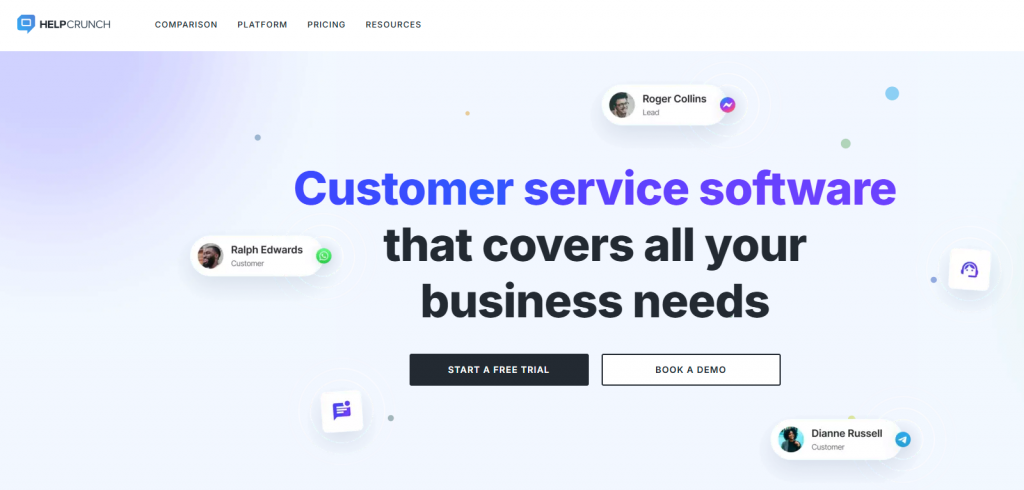
HelpCrunch is a customer communication platform that combines live chat, email automation, and knowledge base tools in one system. It is designed for SMBs that want a simple and cost-effective alternative to Intercom without sacrificing essential features.
It is widely used by startups and growing teams to manage conversations, run email campaigns, and provide self-service support. With an easy setup and unified interface, HelpCrunch helps teams handle customer engagement and support without complex configuration.
Key Features:
- Live Chat: Website chat widgets for real-time customer communication.
- Email Automation: Run automated campaigns and follow-ups for engagement and retention.
- Knowledge Base: Create help centers and self-service documentation.
- In-App Messaging: Engage users directly inside web or mobile applications.
- Shared Inbox: Manage conversations across chat and email in one place.
- Custom Branding: Customize widgets and UI to match your brand.
- Basic Automation: Set up triggers, auto-replies, and simple workflows.
Limitations:
- Less Suitable for Enterprises: May lack advanced scaling features.
Best For:
- Startups: Cost-effective engagement.
- SMBs: Combining chat and email.
- Teams on Budget: Affordable Intercom alternative.
9. Help Scout
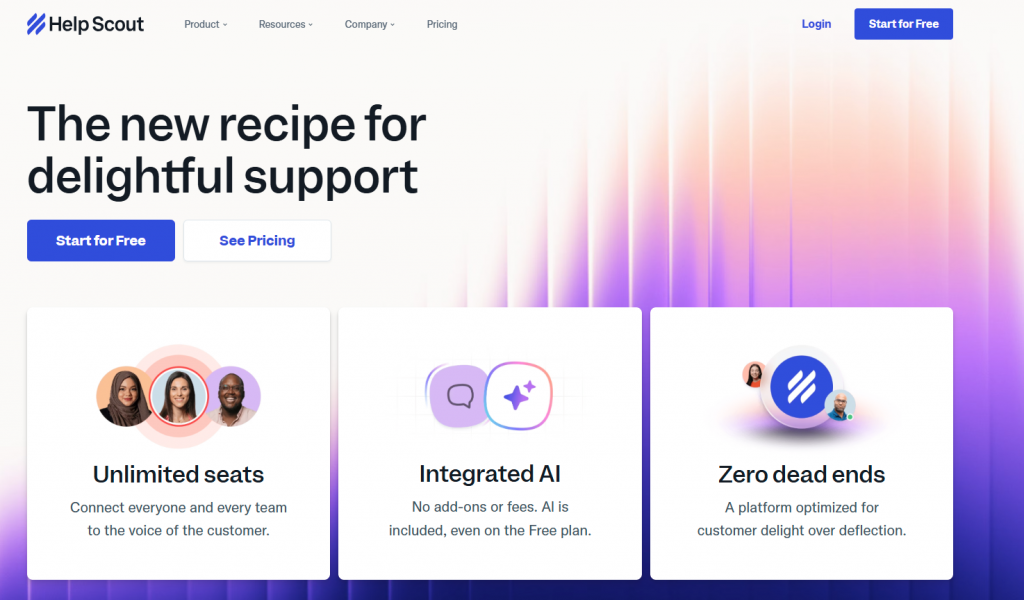
Help Scout is a customer support platform focused on simplicity and team collaboration. It offers a clean, email-like experience that helps support teams manage conversations efficiently while maintaining a personal, human approach to customer service.
It is widely used by small to mid-sized teams that prioritize ease of use over complex automation. With shared inboxes, self-service tools, and lightweight workflows, Help Scout helps teams stay organized and responsive without heavy setup or technical overhead.
Key Features:
- Shared Inbox: Manage customer conversations collaboratively with a unified team inbox.
- Beacon Widget: Combine live chat, help articles, and FAQs in a single customer-facing widget.
- Knowledge Base: Build self-service support centers to reduce ticket volume.
- Automation & Workflows: Route conversations, assign tickets, and automate repetitive actions.
- Customer Profiles: View conversation history and customer context in one place.
- Email-Based Support: Familiar interface for teams transitioning from traditional email support.
- Reporting & Insights: Track response times, workload, and team performance.
Limitations:
- Limited AI: Few advanced automation tools.
Best For:
- Small Teams: Simple collaboration.
- Nonprofits: Affordable and people-centric.
- Growing Startups: Easy adoption.
10. Zoho Desk
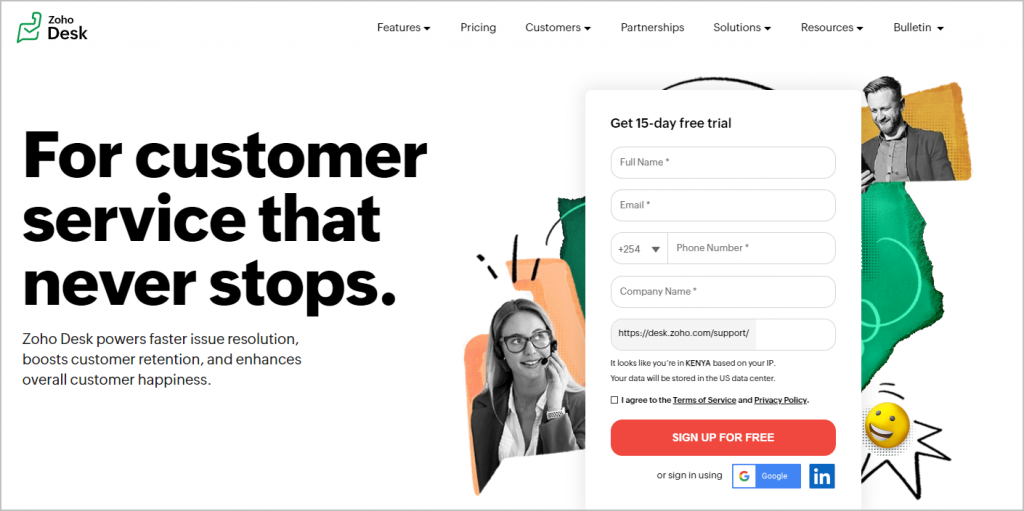
Zoho Desk is a customer support platform built within the Zoho ecosystem, offering ticketing, automation, and AI-powered assistance through Zia. It is designed for businesses that want an affordable yet structured support system with strong integration across business tools.
It is widely used by SMBs and growing teams that rely on Zoho products and need a unified support solution. With its context-aware features and automation capabilities, Zoho Desk helps teams manage customer queries efficiently while maintaining visibility across the entire customer lifecycle.
Features:
- AI Assistant (Zia): Automate responses, suggest solutions, and provide contextual insights.
- Robust Ticketing System: Manage, prioritize, and track customer queries efficiently.
- Custom Workflows: Automate routing, escalations, and repetitive support tasks.
- Omnichannel Support: Handle conversations across email, chat, social media, and more.
- Zoho Ecosystem Integrations: Seamlessly connect with Zoho CRM, Analytics, and other Zoho apps.
- Reporting & Dashboards: Create custom reports to track performance and team productivity.
- Self-Service Portal: Build knowledge bases and help centers for customers.
Limitations:
- Ecosystem Bias: Works best with Zoho suite.
Best For:
Support Teams: Managing tickets easily.
SMBs: Affordable automation.
Zoho Users: Seamless integration.
11. Front
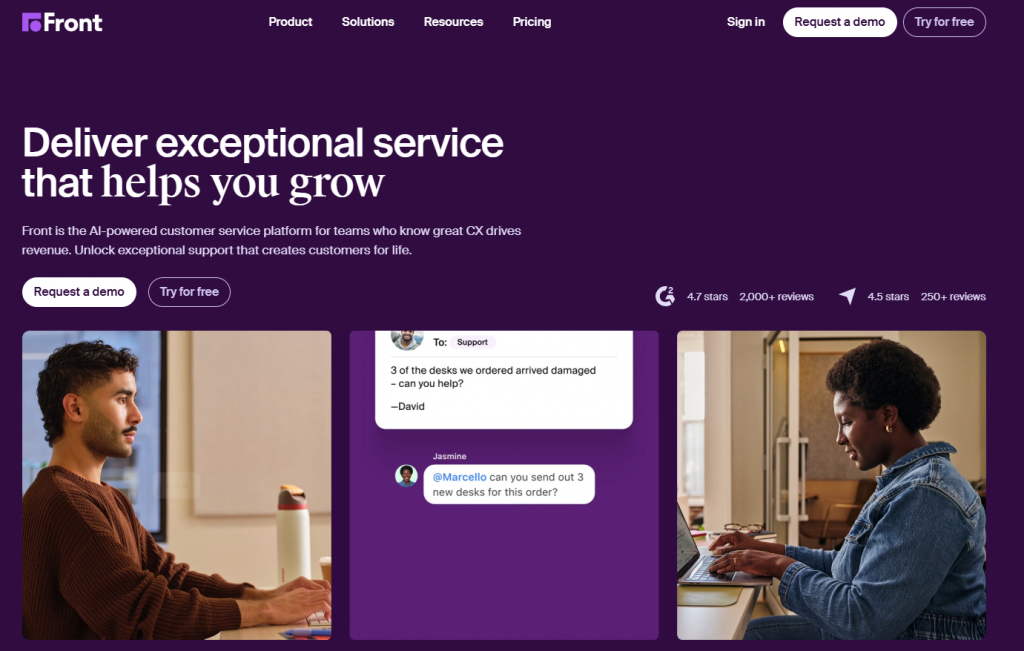
Front is a customer communication platform that combines email, chat, and collaboration into a shared inbox. It is designed for teams that need to manage conversations together while keeping full visibility and context across channels.
It is widely used by customer success, support, and operations teams that rely on email-driven workflows but want better collaboration and automation. With its team-first approach, Front helps streamline communication, improve response times, and keep everyone aligned on customer interactions.
Features:
- Shared Inbox: Manage email, chat, and SMS conversations in a unified workspace.
- Collaboration Tools: Internal comments, mentions, and assignments for team coordination.
- Omnichannel Support: Handle conversations across email, SMS, chat, and messaging channels.
- CRM Integrations: Connect with tools like Salesforce, HubSpot, and other business systems.
- Automation Rules: Set up routing, tagging, and workflow automation for efficiency.
- Analytics & Reporting: Track response times, team performance, and conversation metrics.
- Customer Context: View conversation history and customer data alongside messages.
Limitations:
- Email-Heavy Roots: Better for email-first teams.
Best For:
- Customer Success Teams: Sharing context.
- Remote Teams: Collaborating across channels.
- B2B Brands: Centralising email-driven support.
12. Tidio

Tidio is a customer communication platform that combines live chat with no-code chatbot automation. It is especially popular among eCommerce businesses that want to engage visitors, answer questions, and convert traffic into sales without complex setup.
It is widely used by small and mid-sized teams for quick deployment and easy automation. With built-in AI chatbots and strong eCommerce integrations, Tidio helps businesses handle common queries, improve response times, and support customers throughout their buying journey.
Features:
- No-Code Builder: Create chatbot workflows using a drag-and-drop interface.
- Live Chat: Website chat widget for real-time customer interaction.
- AI Chatbots: Automate FAQs, support queries, and basic conversations.
- Ecommerce Integrations: Connect with Shopify, WooCommerce, and other platforms.
- Multilingual Support: Engage customers across multiple languages.
- Visitor Tracking: Monitor user activity and behavior on your website.
- Automation Workflows: Set triggers, auto-replies, and follow-up messages.
Limitations:
- Limited Enterprise Depth: Suited for SMBs, not complex setups.
Best For:
- Ecommerce Stores: Automating customer chats.
- SMBs: Affordable and quick.
- Startups: Easy entry-level chatbots.
13. Kustomer
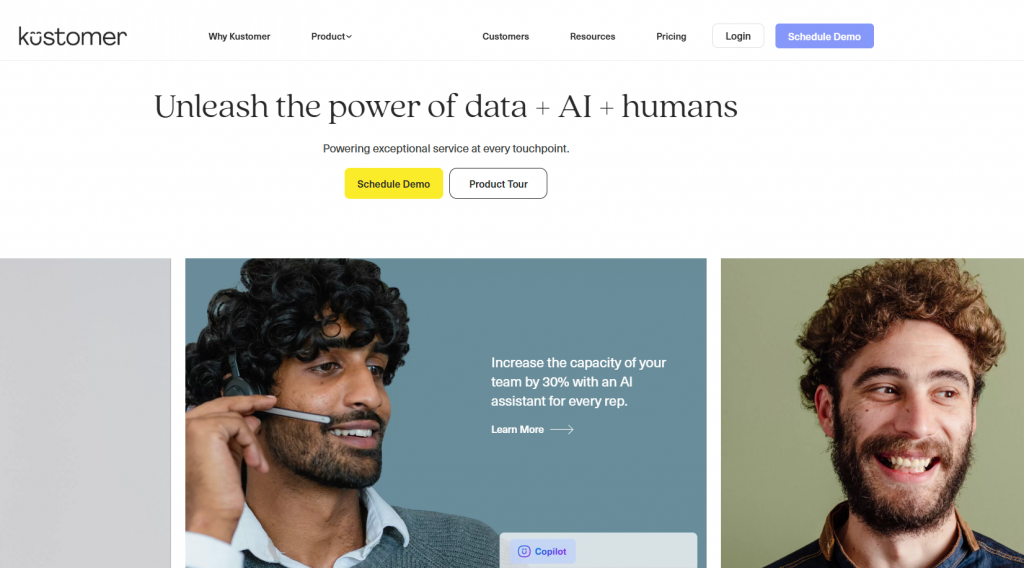
Kustomer is a CRM-first customer service platform designed to give teams a complete view of each customer. Instead of treating conversations as separate tickets, it organizes interactions into a unified timeline, helping teams understand context and deliver more personalized support.
It is widely used by enterprises and fast-growing companies that need deep customer insights and advanced workflows. With strong CRM capabilities and automation, Kustomer helps teams manage complex customer journeys across multiple channels while maintaining consistency and control.
Features:
- Unified Customer Timeline: View a complete 360° history of customer interactions in one place.
- Omnichannel Support: Manage conversations across chat, email, social media, and voice.
- Advanced Automation: Create rules and workflows to automate routing, responses, and processes.
- CRM-First Architecture: Built around customer data, not tickets, for better context and personalization.
- Analytics & Reporting: Track performance, customer behavior, and support efficiency.
- Integrations: Connect with CRM systems like Salesforce and other business tools.
- Customer Context & Profiles: Access detailed customer data alongside conversations for better decision-making.
Limitations:
- Setup Complexity: CRM-first workflows require configuration.
Best For:
- CRM-Heavy Teams: Sales and support alignment.
- Enterprises: Handling large operations.
- B2C Brands: Scaling global customer journeys.
14. Olark
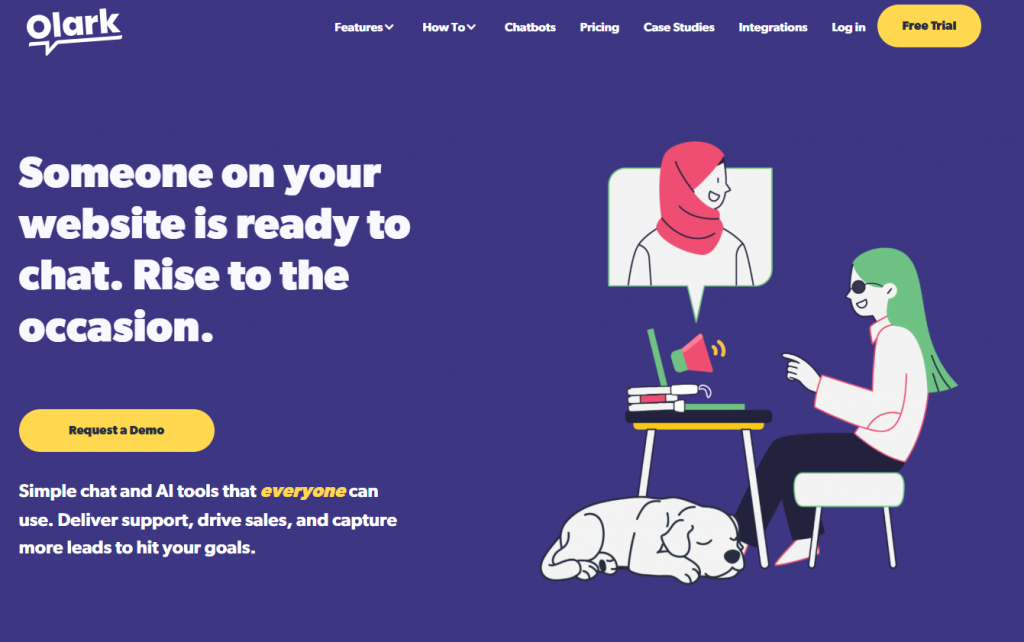
Olark is a simple live chat platform designed for small businesses that need an easy way to communicate with website visitors. It focuses on quick setup and straightforward functionality, making it suitable for teams that want basic customer interaction without complex systems.
It is widely used by startups and small teams that prioritize simplicity and speed over advanced automation. With its lightweight approach, Olark helps businesses capture leads, answer questions in real time, and improve customer engagement without heavy configuration.
Features:
- Live Chat: Easy-to-install chat widget for real-time communication on websites.
- Automation Rules: Set basic triggers and auto-responses for common queries.
- Visitor Insights: Track visitor behavior and chat history for better context.
- CRM Integrations: Connect with tools like HubSpot, Salesforce, and other platforms.
- Real-Time Reporting: Monitor chat activity, response times, and team performance.
- Customisation: Adjust chat widget design to match your brand.
- Transcripts & History: Store conversation records for follow-ups and analysis.
Limitations:
- Minimal Features: Limited scalability.
Best For:
- Small Businesses: Basic chat needs.
- Startups: Quick adoption.
- Budget-Conscious Teams: Low-cost option.
15. Crisp
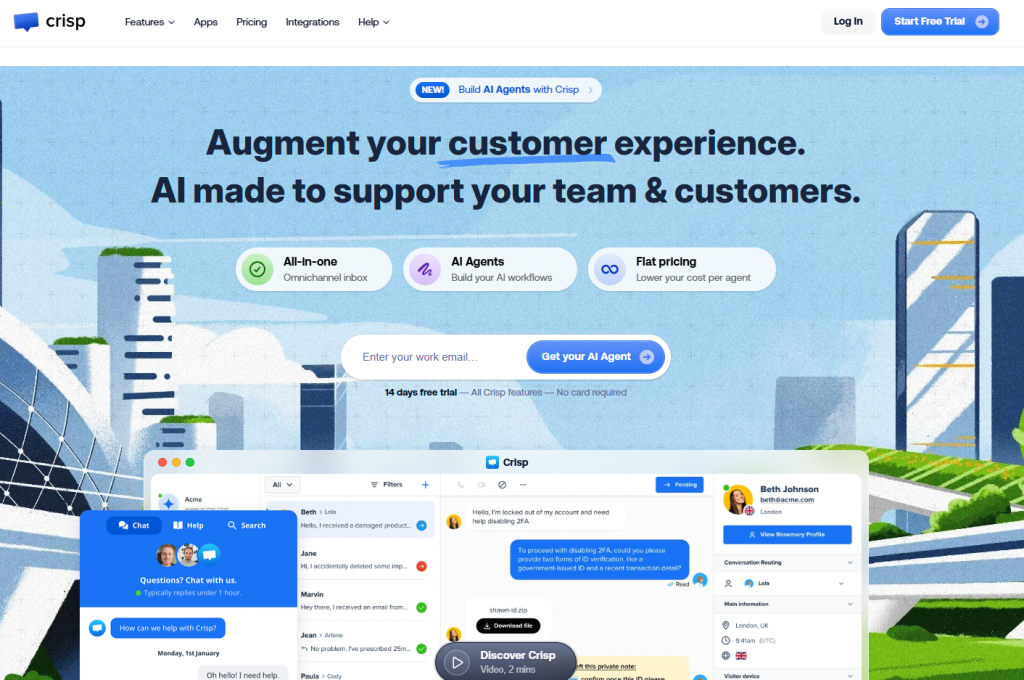
Crisp is a multichannel messaging platform designed for small and mid-sized businesses that want to manage customer communication, marketing, and support in one place. It combines live chat, chatbots, and basic CRM tools to help teams engage users across different channels.
It is widely used by startups and SMBs looking for an affordable, all-in-one solution without complex setup. With a simple interface and flexible features, Crisp helps teams handle conversations, automate basic tasks, and improve customer engagement.
Features:
- Shared Inbox: Centralize conversations from chat, email, and messaging platforms.
- Chatbots & Automation: Automate FAQs, lead capture, and basic customer interactions.
- Knowledge Base: Create and publish self-service support articles.
- CRM Tools: Manage customer profiles and conversation history.
- Multichannel Messaging: Support web chat, email, and messaging apps in one place.
- Plugins & Integrations: Extend functionality with plugins and third-party tools.
- Live Chat Tools: Real-time messaging with typing indicators and user tracking.
Limitations:
- Scaling Challenges: Not as deep for large enterprises.
Best For:
- SMBs: Affordable messaging.
- Agencies: Managing multiple brands.
- Startups: Combining marketing and support.
How to Choose the Right Intercom Alternative for Your Business
Replacing a core business tool like Intercom requires a systematic evaluation, not just a feature-for-feature comparison. Focus on these five operational criteria to select a platform that actively supports business growth rather than creating new limitations.
1. No-Code Platform Accessibility
Your customer support and sales teams should be able to modify workflows and update responses without developer intervention. Prioritise a no-code platform to eliminate technical bottlenecks and empower your teams to adapt to customer needs in real time.
2. Transparent and Predictable Pricing
Vague pricing models lead to unpredictable operational costs that impede scaling. Demand clear, published pricing structures that allow you to forecast expenses accurately as your usage grows, without hidden fees or surprise enterprise quotes.
3. Seamless System Integration
A new platform must augment, not disrupt, your existing operations. Verify that it offers robust integrations with your core business systems, including CRM, helpdesk software, and e-commerce platforms, to ensure a unified data flow.
4. True Multi-Channel Presence
Your customers expect to connect with you on their preferred channels, not yours. An effective alternative must centralise conversations from platforms like WhatsApp, Instagram, and Messenger into a single view, providing a consistent customer experience everywhere.
5. Core AI Automation Capabilities
The primary goal of a modern support platform is to scale service delivery without linearly increasing headcount. An AI-driven core is non-negotiable. It should automate the resolution of repetitive queries, allowing your human agents to focus on high-value interactions that drive customer loyalty.
A Note on Comparing Price vs. Value
You will not find a direct price-to-price comparison in this analysis. Choosing a platform based solely on its monthly cost is a strategic error, as the cheapest option often incurs the highest operational cost through manual work, poor integrations, and an inability to scale.
The critical metric is not price, but the return on investment. Evaluate each Intercom alternative based on the value it delivers—its ability to reduce repetitive tasks, unify customer channels, and support growth without a proportional increase in your team’s headcount.
Frequently Asked Questions: Intercom Alternatives
What are the main reasons businesses switch from Intercom? ⌄
Most businesses switch from Intercom due to rising costs, setup complexity, and limited flexibility as usage scales. Many look for alternatives with clearer pricing, simpler workflows, and stronger AI automation.
What makes YourGPT a strong Intercom alternative? ⌄
YourGPT is an AI-first, no-code platform built for modern customer support across multiple channels. It enables AI agents to take real actions, run no-code workflows, and improve through self-learning without heavy developer dependency.
Which Intercom alternatives work best for ecommerce businesses? ⌄
Ecommerce teams often evaluate platforms that integrate with stores and automate order-related support. Tools such as YourGPT and Gorgias are commonly used to handle order tracking, refunds, and customer enquiries across chat and messaging channels.
What are the best Intercom alternatives for large enterprises? ⌄
Large enterprises commonly use platforms such as Zendesk, Freshdesk, or enterprise deployments of YourGPT to support advanced workflows, compliance requirements, reporting, and high-volume operations.
Are there affordable Intercom alternatives for startups and small teams? ⌄
Yes. Startups and small teams often choose platforms such as YourGPT, HelpCrunch, and Zoho Desk for scalable support automation without enterprise-level pricing.
Can Intercom alternatives integrate with existing business tools? ⌄
Most Intercom alternatives support integrations with common business tools such as CRMs, ecommerce platforms, analytics systems, and collaboration software. This connects customer conversations to your existing workflows and data.
How long does it take to set up an Intercom alternative? ⌄
Setup time depends on the platform and use case. No-code tools such as YourGPT can often be configured within hours for standard workflows, while enterprise-grade systems may take longer for configuration, migration, and training.
Are Intercom alternatives limited to customer support use cases? ⌄
No. Many platforms also support sales qualification, internal helpdesks, and operational automation. YourGPT is commonly used across support, sales, and operations from a single system.
Which Intercom alternatives support voice or call automation? ⌄
Some modern platforms, including YourGPT, support voice-based automation and intelligent call routing. This helps teams handle high-volume queries and route complex issues to the right people faster.
How should a business choose the right Intercom alternative? ⌄
Start by defining your priority: pricing predictability, AI automation depth, multichannel coverage, or enterprise ticketing. Teams focused on action-taking AI agents and multichannel automation often evaluate YourGPT, while teams with complex ticketing workflows may prefer established helpdesk platforms.
Conclusion
Choosing an Intercom alternative requires a clear-eyed assessment of your business’s operational goals. While many platforms address isolated needs like e-commerce support or basic ticketing, they often create new silos. The objective is not just to replace a tool but to adopt a system that unifies communication and reduces complexity.
For businesses that prioritise scalable efficiency without developer dependency, YourGPT presents a definitive advantage. It is built as an
AI-first, no-code platform that centralises customer and internal conversations across critical channels like WhatsApp , Slack , Instagram , and Messenger. This structure allows you to automate support workflows, manage sales funnels, and handle internal operations from a single, intelligent dashboard.
Ultimately, teams that need a unified, AI-driven platform with no-code control often evaluate YourGPT alongside other leading Intercom alternatives. It is engineered to scale from small teams to enterprise-level demands, delivering a measurable reduction in manual tasks and consolidating your communication channels from the moment of implementation.
A Modern Alternative to Intercom for AI Customer Support
YourGPT helps teams replace complex chat setups with AI agents that automate real support actions across web, WhatsApp, email, and more.
7-day free access • No credit card required • Works with Shopify and WooCommerce
Leave a Reply